Navratri 2026 – The 9 Day Blessing of Maa Durga
Discover official Navratri dates, Kalash Sthapana Muhurat, Sandhi Puja timing and divine details of all 9 forms of Maa Durga.
Navratri 2026 begins on 19-03-2026 and concludes on 27-03-2026, spanning 9 sacred days dedicated to Maa Durga. Kalash Sthapana will be performed on 19-03-2026 during the auspicious Abhijit Muhurat of 11:50 - 12:38.
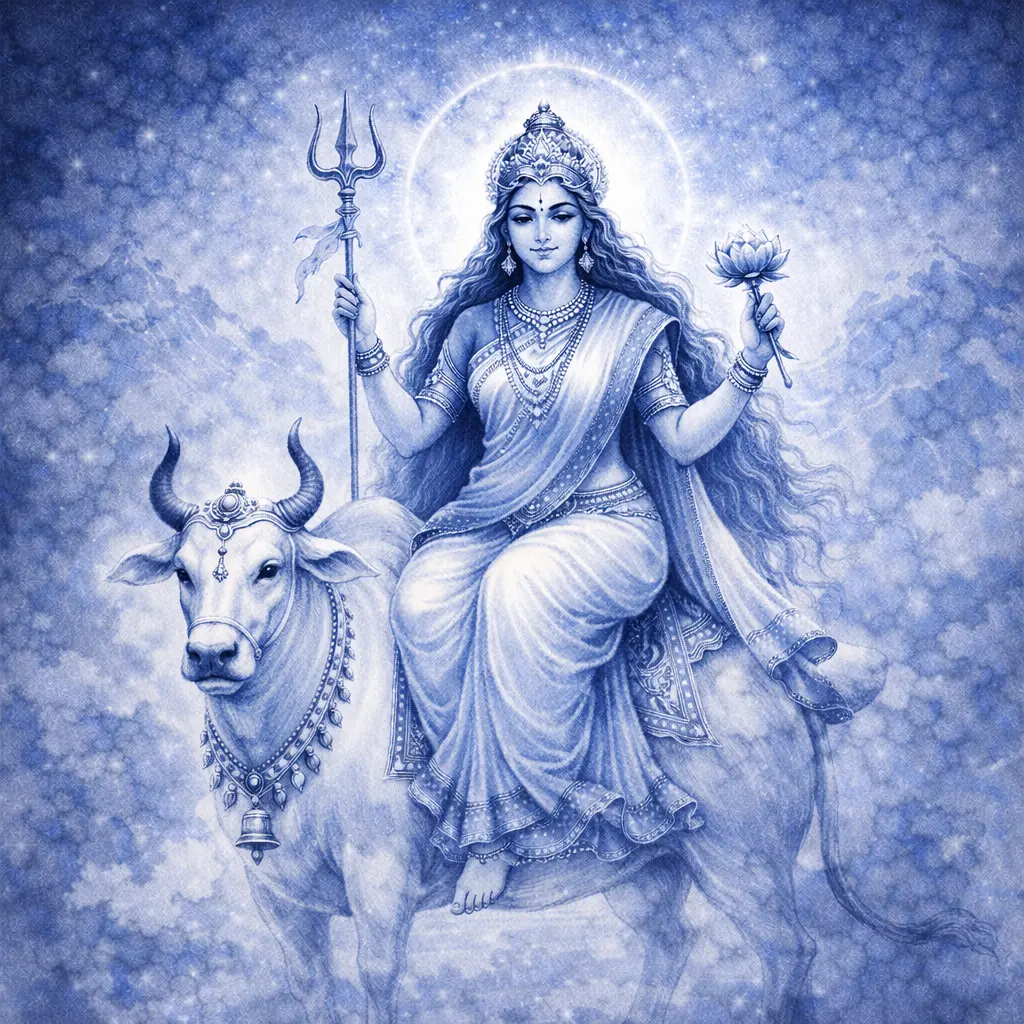
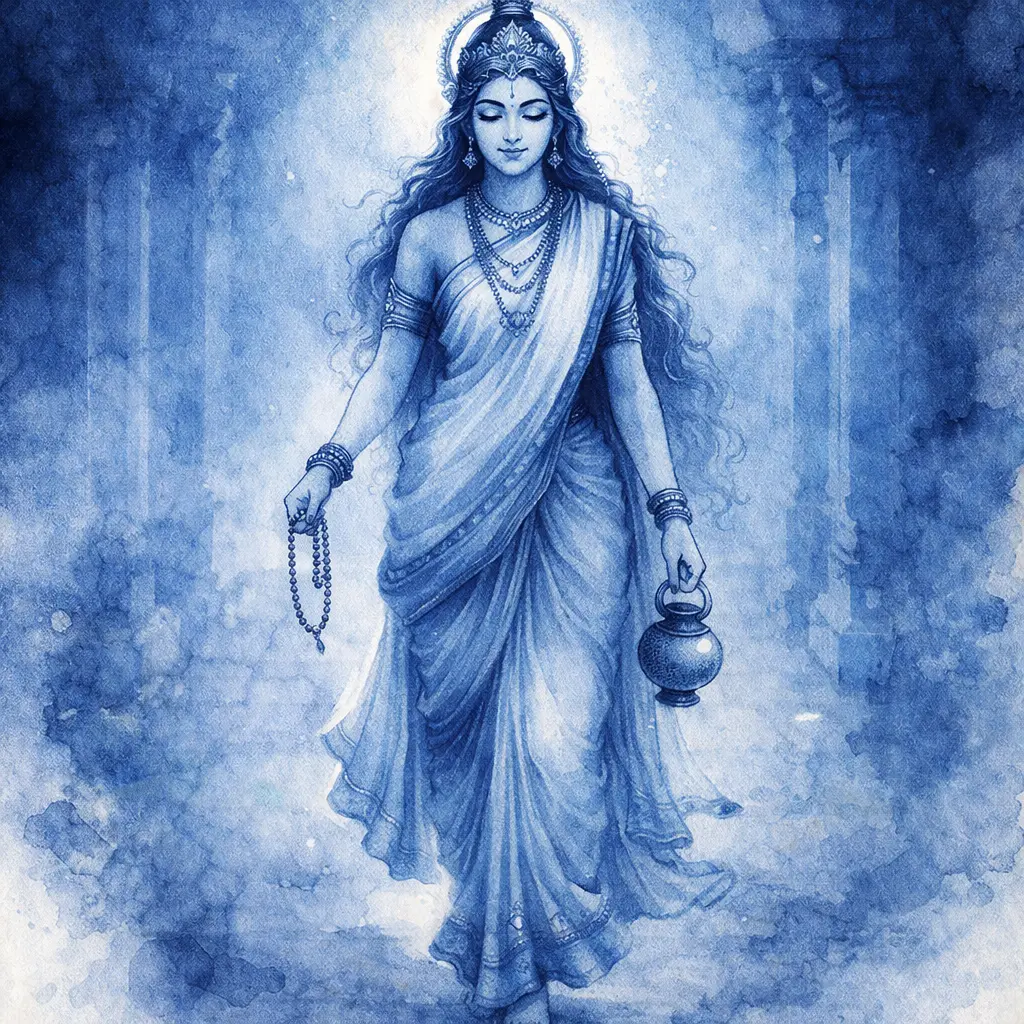
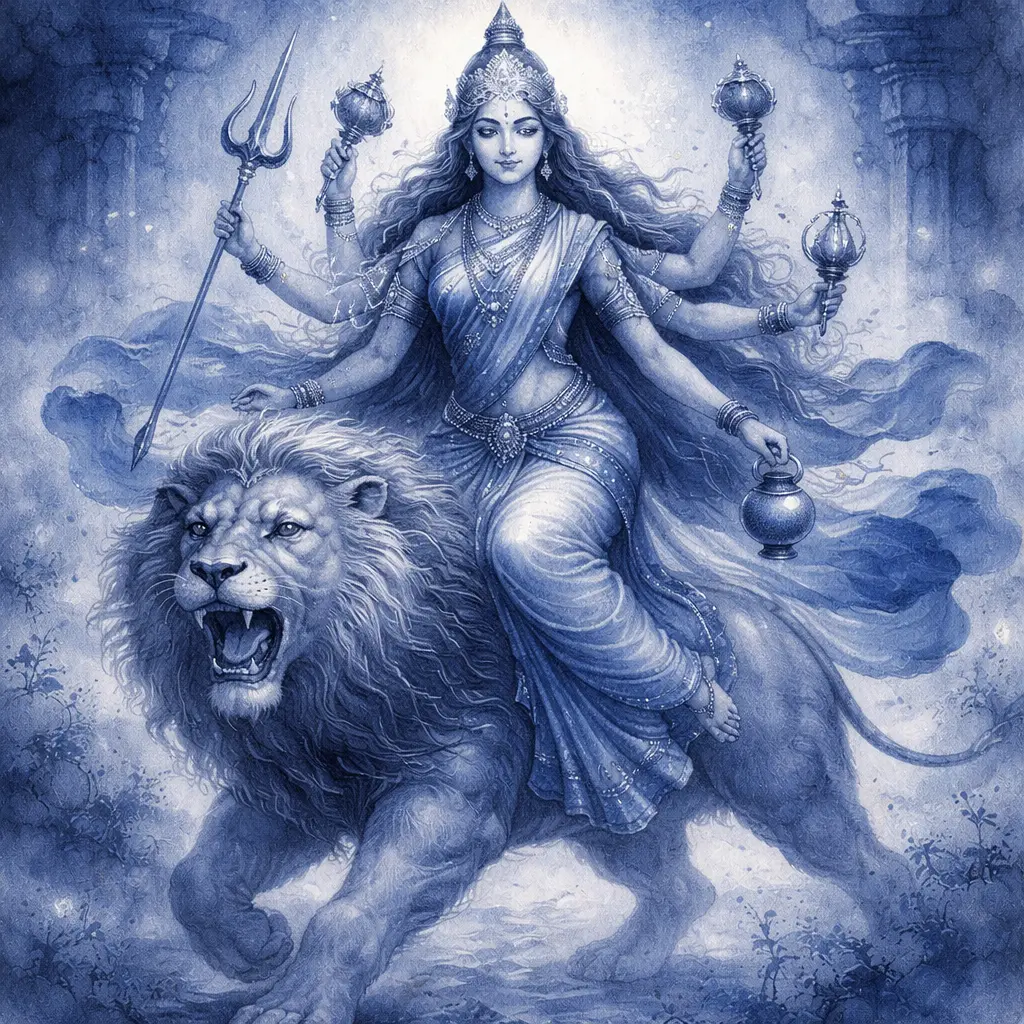
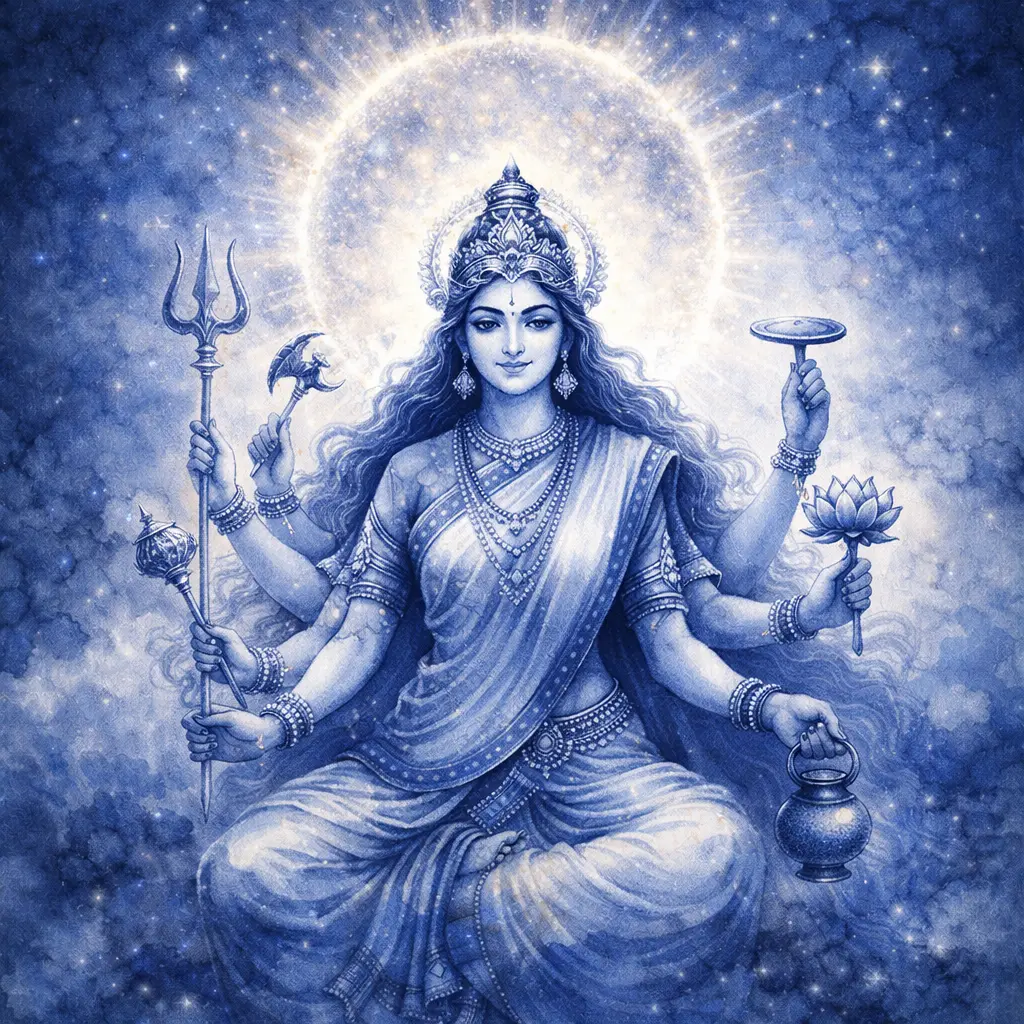
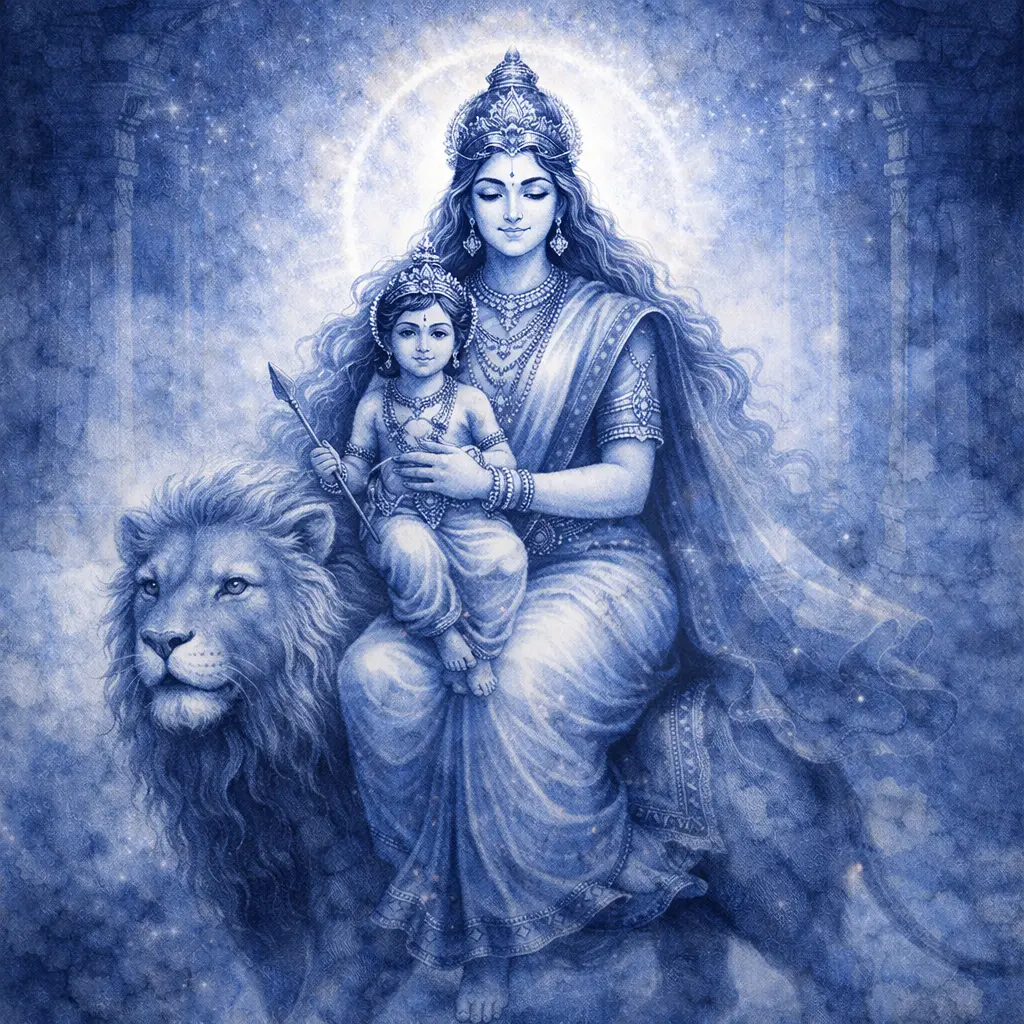
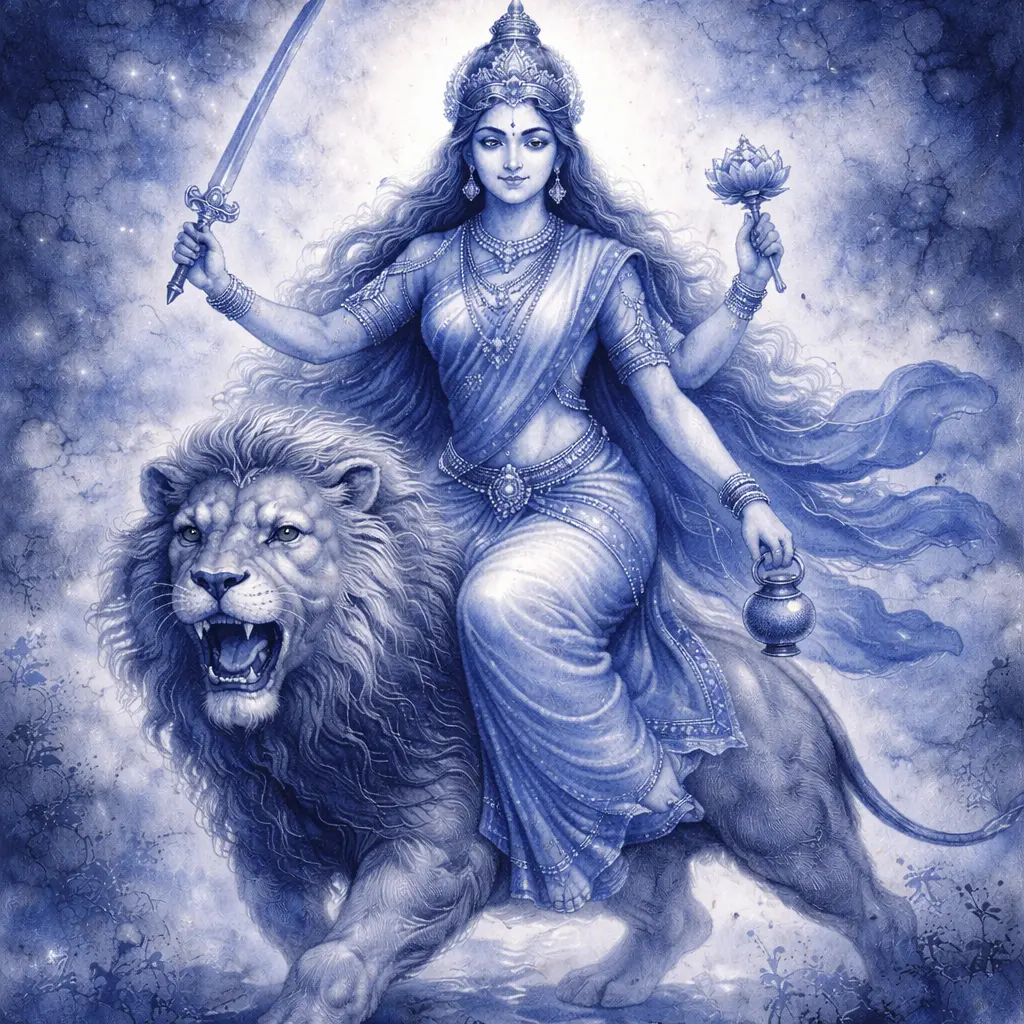
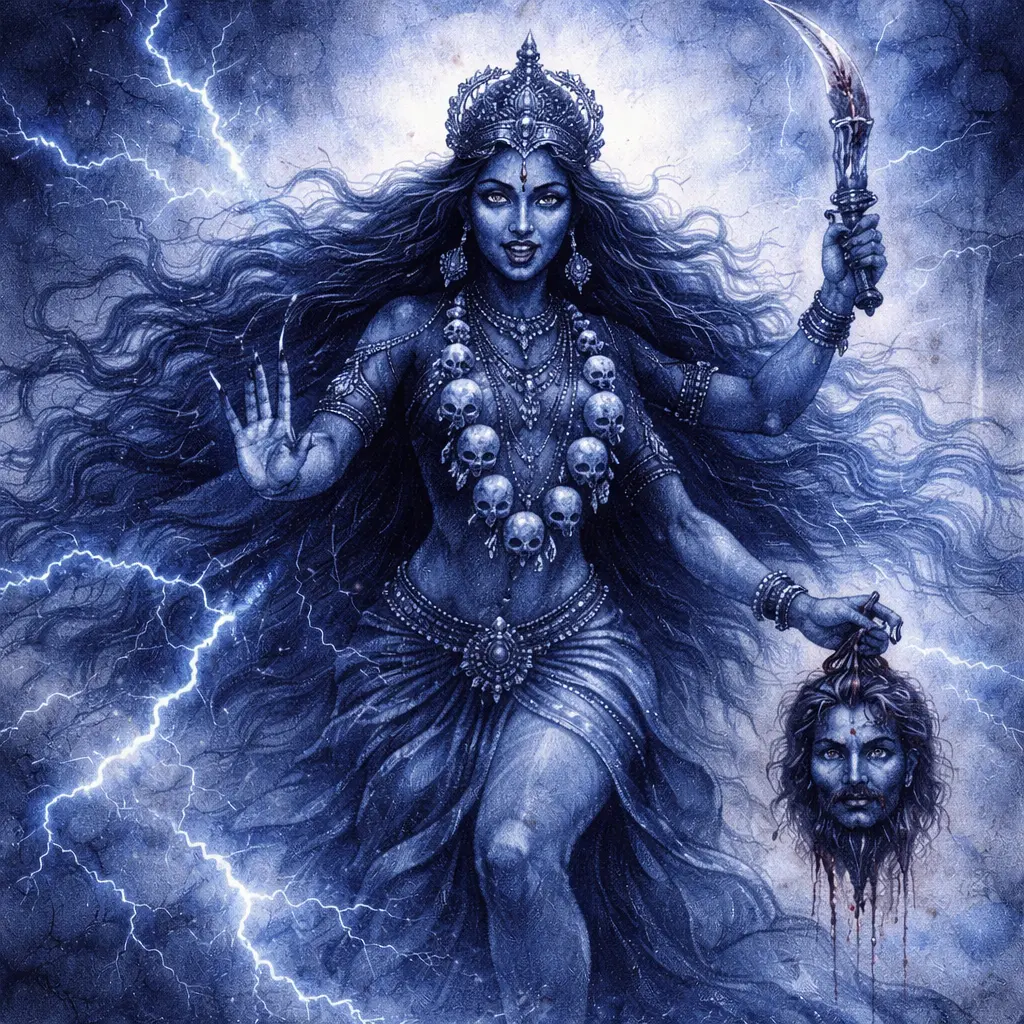
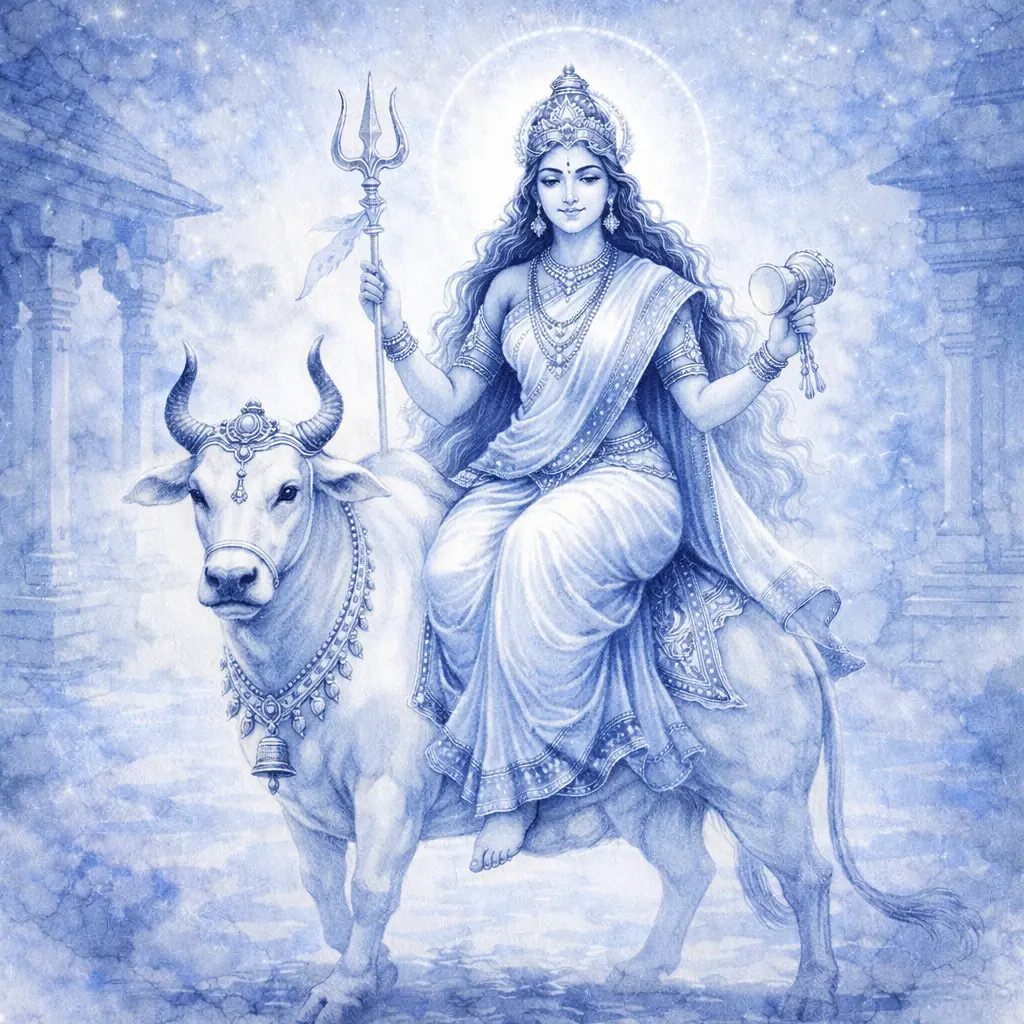
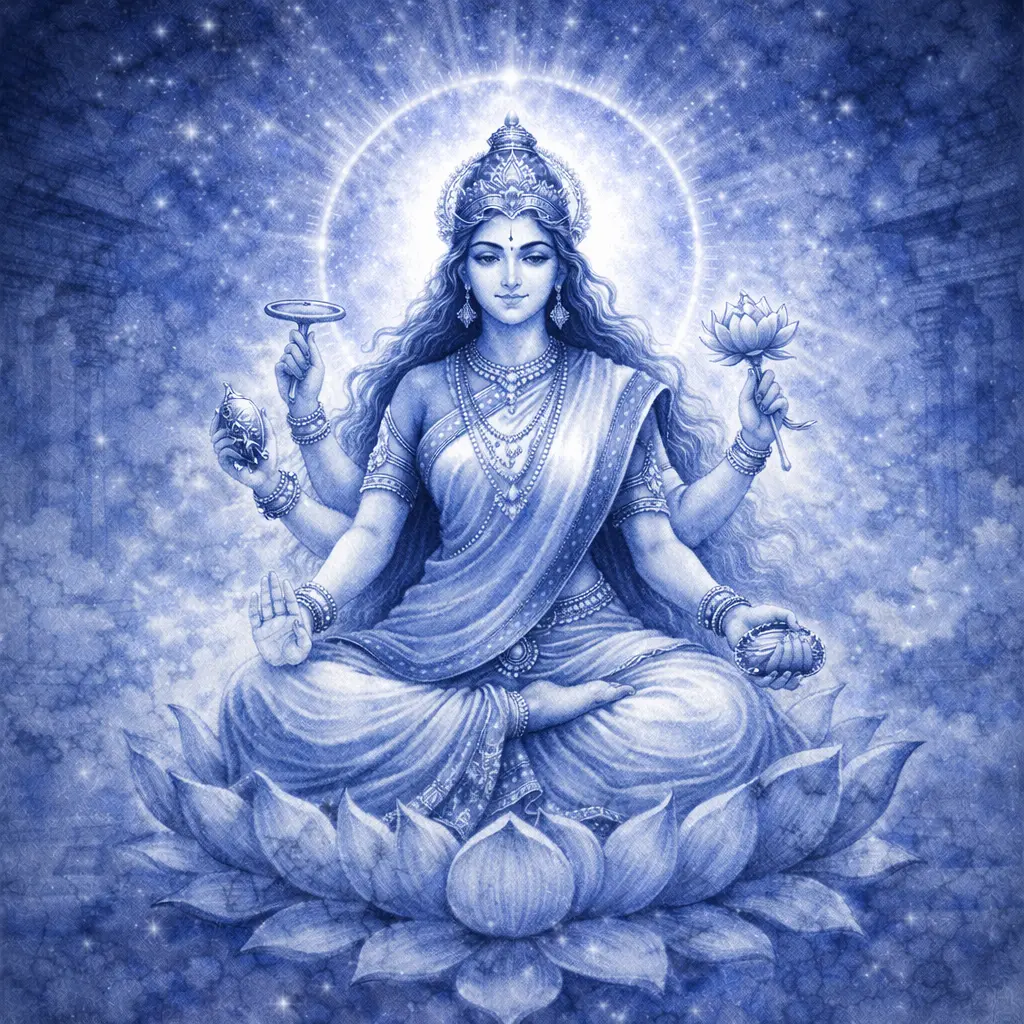
Navratri 2026 – Dates, Ghatasthapana Muhurat, 9-Day Schedule & Colors
Navratri 2026 is a sacred Hindu festival devoted to Goddess Durga. It begins on 19-03-2026 and concludes on 27-03-2026. The Ghatasthapana Muhurat is 11:50 - 12:38. The auspicious color for Day 1 is Yellow. These nine days symbolize spiritual renewal, divine feminine energy, and the triumph of righteousness over negativity.
Why Does Navratri Occur Twice a Year?
Navratri is observed prominently twice a year - during Chaitra (spring) and Ashwin/Shardiya (autumn). These periods coincide with seasonal transitions known as Ritu Sandhi in Vedic tradition. Around these equinox phases, day and night achieve near balance, symbolizing cosmic equilibrium. Spiritually, these transitions are believed to be powerful windows for inner purification, discipline, and energy recalibration.
How Are Navratri Dates Determined in Vedic Astrology?
Navratri begins on Shukla Paksha Pratipada - the first lunar day of the waxing Moon - in specific lunar months. The Hindu Panchang follows a lunisolar calendar system, meaning dates are calculated based on lunar tithi, sunrise alignment, and lunar month identification. This ensures Navratri always aligns with natural cosmic rhythms rather than fixed solar calendar dates.
Spiritual & Scientific Significance of Navratri
Navratri represents structured spiritual discipline. According to Devi Mahatmya, the nine days symbolize awakening divine strength within. From a scientific lens, seasonal transitions affect digestion, immunity, and hormonal balance. Traditional Navratri fasting - satvik diet, reduced grains, and detox foods - supports metabolic reset, gut cleansing, and improved mental clarity during these vulnerable seasonal shifts.
Facts & Myths About Navratri Vrat
A common misconception is that Navratri fasting is merely food restriction. In reality, it emphasizes mental discipline and sensory control. Another myth suggests strict ritual compliance is mandatory for benefit; however, devotion and intent are considered more important in scriptural texts. Navratri is a universal spiritual practice open to all seekers, not restricted by gender or region.
Navdurga – The 9 Forms and Their Inner Significance
Each of the nine days represents a stage of inner transformation:
- Shailputri – Grounding and stability
- Brahmacharini – Discipline and endurance
- Chandraghanta – Courage under pressure
- Kushmanda – Creative manifestation
- Skandamata – Responsibility and nurturing
- Katyayani – Righteous action
- Kaalratri – Confronting fear
- Mahagauri – Purification and renewal
- Siddhidatri – Integration and fulfillment
Why Vijayadashami Concludes Navratri
The tenth day, Vijayadashami, marks the culmination of disciplined spiritual effort. It symbolizes the victory of clarity over confusion and righteousness over negativity. After nine days of structured purification, devotees emerge mentally strengthened and spiritually aligned.
Frequently Asked Questions
When does Navratri 2026 begin?
Navratri 2026 begins on 19-03-2026 and ends on 27-03-2026.
What is the Day 1 auspicious color?
The Day 1 auspicious color for Navratri 2026 is Yellow.
What is the Ghatasthapana Muhurat?
The auspicious Ghatasthapana Muhurat this year is 11:50 - 12:38.
What is the difference between Chaitra and Shardiya Navratri?
Chaitra Navratri occurs in spring, while Shardiya Navratri is celebrated in autumn. Both honor the nine divine forms of Goddess Durga.